
Forty Years Inside Alberta's Energy Sector
Turnarounds, API programs, sour service and CUI — inspection that speaks fluent oil & gas.
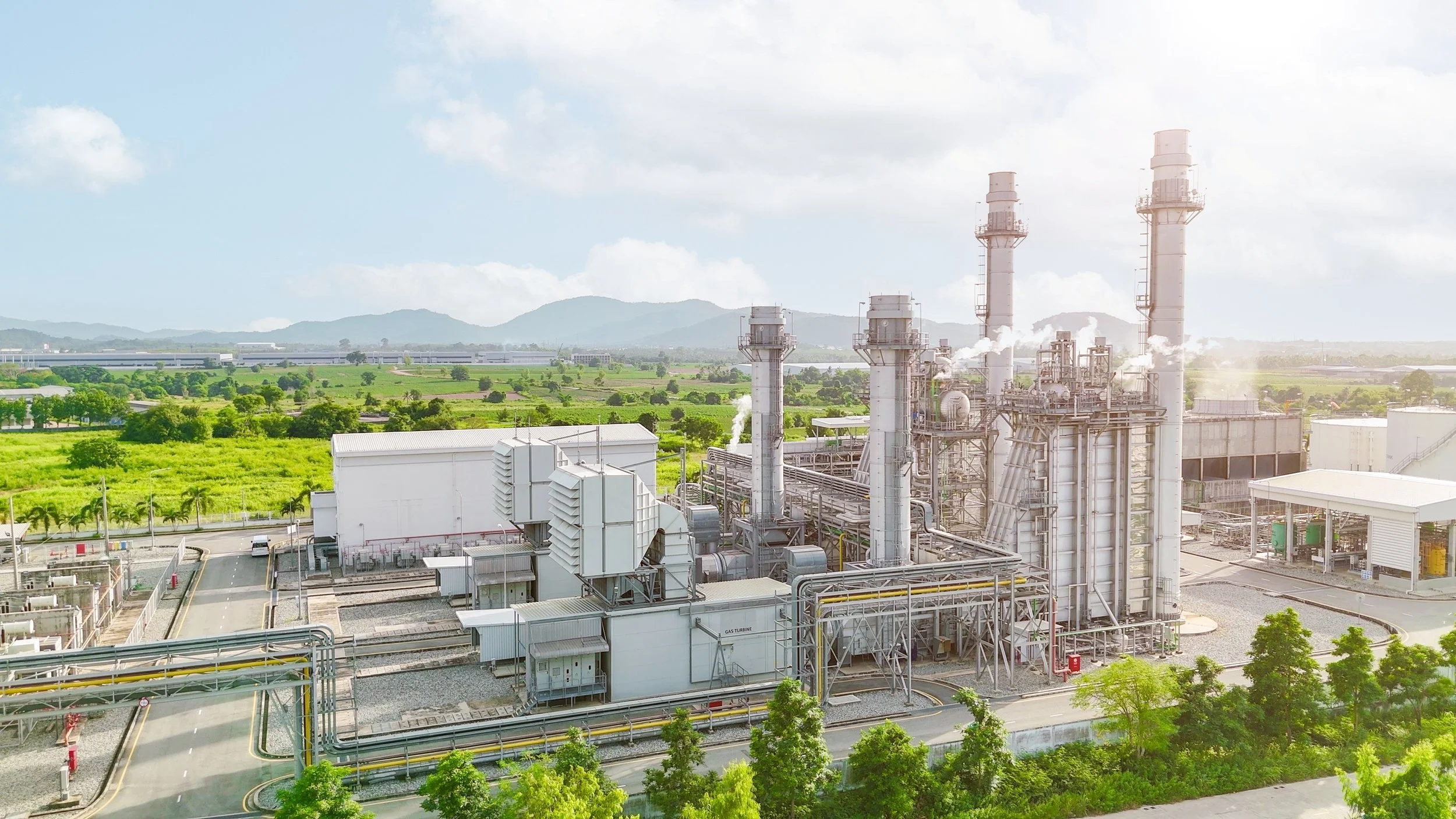
NDT & Inspection for Power Generation
Power assets accumulate damage by temperature: creep in high-energy piping, thermal fatigue at attachment welds, corrosion in the water-steam cycle. CIC provides NDT and inspection for Alberta's generating facilities — gas-fired, cogeneration, biomass and utility — with scopes planned around the only calendar that matters: the outage.
What We Inspect in a Generating Plant
Boiler pressure parts — tubes, headers and drums: thickness surveys, weld examination and crack detection
High-energy piping — main steam and hot reheat weld inspection with PAUT/TOFD, where flaw sizing drives run/repair decisions
Attachment and support welds — thermal-fatigue crack hunting by MPI and UT at the details that work hardest
PWHT and hardness verification — portable hardness surveys on repair welds before return to service
Balance of plant — storage tanks (API 653), auxiliary piping (API 570 logic) and structural steel
The Testing Methods Power Plants Buy Most
Generating assets concentrate demand on a specific method set:
High-energy piping welds → PAUT + TOFD together — detection plus through-wall sizing, because run/repair decisions hang on flaw height
Boiler tubes, headers and drums → UT thickness for wastage, RT or PAUT on repair welds
Thermal-fatigue cracking at attachments and supports → MPI on scheduled outage cycles
Repair welds and PWHT verification → portable hardness surveys before return to service
Alloy verification on chrome-moly systems → PMI, where a mixed-up spool costs a creep failure
Tanks and balance of plant → UT surveys and API 653-logic tank inspection
Outage Discipline
An outage compresses a year of inspection into days and prices every idle hour — the same math as an oilsands turnaround, with less forgiveness. CIC scopes power outages in advance, staffs nights, and reports findings while covers are still off, so weld repairs and re-inspection close inside the window.
When Components Fail
Tube leaks, cracked attachment welds and failed studs all tell metallurgical stories. Our independent Edmonton lab reads them — mechanism, origin, contributing condition — so the repair addresses the cause rather than the symptom, before the next start cycle repeats it.